Warehouse Floors & Flatwork
Industrial slabs, warehouse floors, loading docks, and equipment pads poured level, finished tight, and built to handle forklift, racking, and heavy-equipment loads.
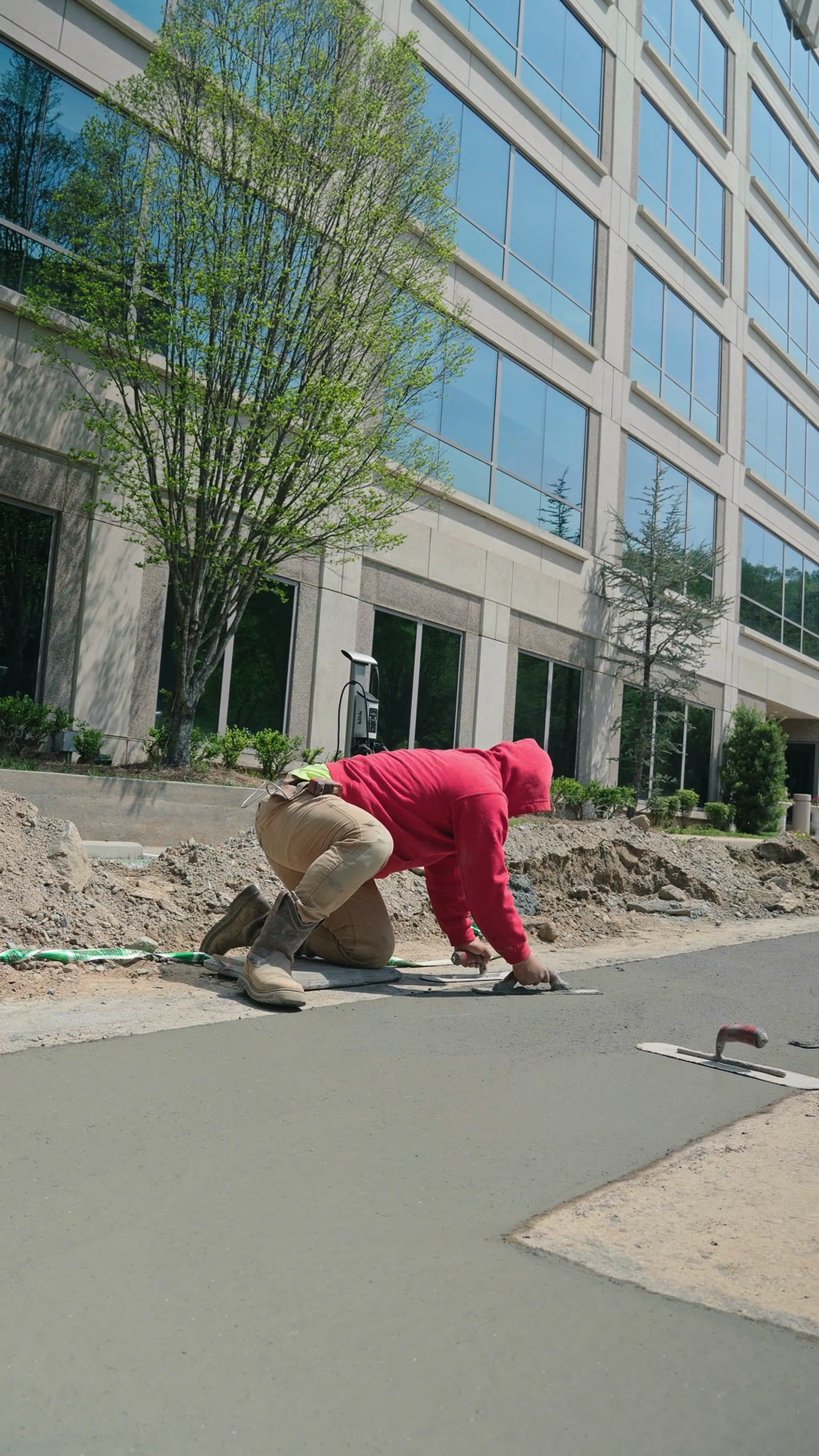
Industrial Flatwork We Pour
Industrial flatwork is what makes a building work. Warehouse floors carry racking loads. Loading docks take impact every day. Equipment pads hold weight that bends rebar. The right pour means level, tight joints, hard surface, and no callbacks.
008 Concrete pours warehouse floors, distribution slabs, loading docks, equipment pads, and exterior industrial flatwork across Greater Atlanta. Right mix design for the use, joints laid out to control cracking, finished to spec — broom, trowel, or hardened.
Warehouse Floors
Loading Docks
Equipment Pads
Distribution Slabs
Exterior Industrial
Trench & Pit Slabs
Level, Tight, and Built for Work
A warehouse floor that's even a quarter-inch off ruins the racking installer's day. A loading dock with the wrong slope fills with water in a Georgia thunderstorm. We obsess over the prep — laser-set forms, control joints planned with the racking layout, proper subbase compaction — so the floor performs the way the building needs it to.
Jake and Chuck split every major industrial pour. One runs the pour. One runs the finishing crew. The result: flat floors, clean joints, and a slab that's ready for racking the day the building is dry.
Laser-set forms and screeds for flat, level slabs
Control joints planned with the racking or equipment layout
Right mix design for use case — heavy traffic, exterior, or pad loading
Tight finishing — broom, hard trowel, or steel-trowel as specified
Crack control with rebar, mesh, or fiber per engineer's spec
Industrial Flatwork Projects
Industrial Flatwork Pricing
Industrial flatwork pricing depends on square footage, thickness, finish, reinforcement, and use case. Greater Atlanta market ranges below — every project gets a written, line-item estimate.
Warehouse Floor / Industrial Slab
$8 — $14 / sq ft
Standard warehouse and distribution slabs. Heavy use cases run higher.
Loading Dock / Equipment Pad
Scope-dependent
Site visit and engineered drawings drive the number. Written estimate after walk.
Every project gets a written, line-item estimate. The number we quote is the number you pay.
Industrial Flatwork FAQ
Light warehouse floors typically pour at 5-6 inches. Heavy-traffic distribution centers and equipment pads run 7-8 inches or thicker, often with rebar on top of mesh. The right thickness depends on rack loading, forklift weight, and any point loads. We pour to engineered spec, not to the cheapest number.
Sometimes. Phased pours and night work let us replace sections of a working warehouse floor without shutting the operation down. We coordinate phasing with the facility manager and the racking layout. Some pours have to wait for a shutdown window — we'll tell you which is which.
Most warehouse floors get a hard-trowel finish for durability and slick wear. Cold-storage and food-grade often need a fluorinated or silicate hardener. Exterior industrial slabs go broom for traction. We match the finish to the building's use — and we'll explain the trade-offs so you can pick what fits.
Yes. Control joints are planned during pour layout so cracking goes where the joint is, not across the floor. Joint sealing — semi-rigid epoxy or polyurea for forklift traffic — happens after the slab is dry. We can include joint sealing in the bid or coordinate with the racking installer's preferred seal.
Get a Written Estimate on Your Floor
Tell us the square footage, use case, and target ready-for-racking date. We'll walk the site, review the spec, and give you a written estimate.
Get Your Free EstimateOr call Jake: (404) 940-0622